
In Identity V’s asymmetrical battles, success often hinges on talent choices, and experienced players who follow competitive trends through Crickex Affiliate know that a hunter’s build can completely reshape the flow of a match. Talent selection affects chase speed, map pressure, and late game reversals, especially during gate standoffs. With the current version expanding talent points to 130, allowing two ultimate talents and four support talents to be fully upgraded, the core philosophy has become simple yet demanding: tailor builds to real needs and counter opponents with flexibility. This guide breaks down talent logic by role, helping newcomers get up to speed quickly while giving veterans a sharper edge.
There is no one size fits all template, but three principles dramatically reduce trial and error. Role clarity comes first, as hunters focused on chasing should prioritize speed oriented ultimates, while chair defense specialists gain more value from stall focused talents. Counterplay matters just as much, since survivor lineups packed with strong kiters demand resistance based talents, while fast decoding teams require early disruption. Efficiency is the final pillar, meaning fully upgrading level three core talents before spreading remaining points across level two supports, avoiding wasted investment.
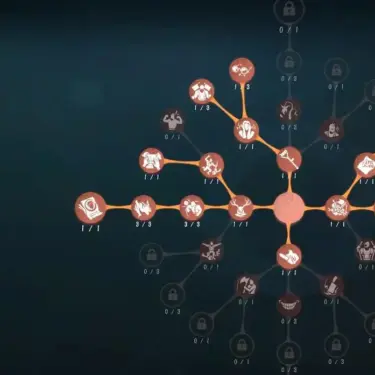 Hunters built for pursuit aim to snowball early momentum and dominate gate phases. Characters with strong mobility thrive on combinations that enhance chase speed and attack recovery. Early movement bonuses help locate targets quickly, while sustained pursuit buffs kick in after several seconds of chase. Strategic trait swapping through flexible ultimates allows aggressive openings and late game control, and once gates are powered, instant down potential becomes the finishing blow. Against heavy disruption teams, replacing raw speed with control resistance can prevent being endlessly pushed back.
Control oriented hunters focus on locking down cipher zones and slowing overall progress. Their builds emphasize information gathering, area denial, and sustained pressure rather than immediate knockdowns. Talents that reveal rescue positions, while window blocking shuts down common rotation routes. Over time, stacking bonuses reward consistent downs, creating a suffocating rhythm that leaves survivors few options. When facing healing heavy lineups, switching to talents that expose recovery attempts can keep pressure high.
Chair defense specialists aim to force double downs through relentless rescue denial. Extended chair duration combined with area damage punishes rushed saves, while tracking talents reveal rescuers before they arrive. Additional slowdown effects after rescues further cripple survivor tempo. Early match decoding penalties help prevent collapse, and control resistance ensures stability against strong rescuers. Adjustments can be made to counter high durability rescue roles by extending injury penalties.
Development focused hunters accept a slower early game in exchange for explosive late power. Their builds accelerate presence gain, unlock advanced skills sooner, and reinforce chase efficiency during growth. Control resistance prevents being stalled indefinitely, and once the endgame arrives, instant down potential turns the tables. Balanced point allocation ensures growth speed remains the top priority without sacrificing survivability.
Beyond role based builds, true mastery lies in adaptation. Large maps reward movement speed and detection talents to avoid wasting time rotating, while compact maps favor board destruction and window control. Against fast decoding teams, early slowdown and rescue tracking disrupt momentum. Heavy rescue lineups call for longer chair pressure, while kiting focused teams demand resistance to crowd control.
For beginners unsure of their playstyle, a universal build offers a safe starting point, combining flexibility, late game threat, and reliable chase tools. It supports pursuit, chair defense, and map control without forcing risky decisions, making it ideal for learning match rhythm.
As many competitive players following Crickex Affiliate strategies understand, talent builds should never be set in stone. Adjustments based on personal habits, map layouts, and survivor compositions are what separate average hunters from dominant ones. The strongest setup is always the one that fits the character, counters the opposition, and matches how you play when the pressure is on.