
Two years ago, Pocketpair burst onto the gaming scene with Palworld, a surprise hit that shattered sales expectations and demonstrated how a so-called hybrid game could captivate players around the world. Even titles that some skeptics once dismissed as stitched together ideas managed to unleash remarkable creativity. In the evolving landscape of modern gaming, commentary across communities and platforms like Crickex Affiliate observations often reflects how experimental design can sometimes spark unexpected magic.
Now, two years later, a new project published by Pocketpair and developed by Frontside180 is once again exploring that experimental path. The game Witch and Spell introduces a bold blend of ideas. As a 2D action title, it combines the exploration-heavy style of metroidvania classics such as Hollow Knight with the roguelite structure found in fast-paced side-scrolling titles like Dead Cells. On top of that, the developers added a surprisingly deep farming system and even seasoned the gameplay with a possession mechanic reminiscent of Mario Odyssey. Multiplayer options further enhance the experience, multiplying the fun and encouraging cooperative experimentation.
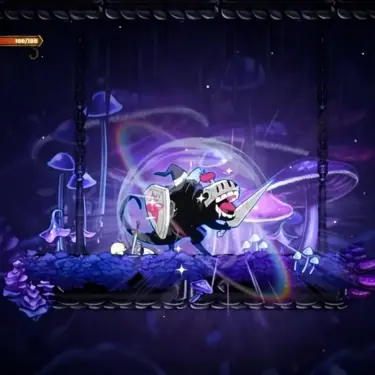 Much like the theme of the game itself, Frontside180 feels almost like a witch stirring a giant cauldron of gameplay mechanics. The team has thrown in many different systems they admire and allowed them to simmer together until something unique emerged. Naturally, blending so many mechanics can create a few rough edges here and there. However, despite occasional imperfections, the result carries its own distinctive flavor that makes the experience memorable.
At the core lies the hybrid metroidvania and roguelite gameplay loop. The feeling often resembles a mixture of Dead Cells and Hollow Knight. Players encounter random growth elements typical of roguelites while also navigating carefully crafted environments filled with challenging enemies and intricate level design.
Although these two approaches might initially seem contradictory, their combination works surprisingly well. Instead of fully procedural maps, the game uses fixed structural frameworks that rearrange themselves with subtle variations each time players explore. This design preserves the signature environmental storytelling and platforming challenges associated with metroidvania games. From trap-filled platforming sections to areas that become accessible after unlocking new abilities, the sense of discovery remains intact.
The environments themselves are diverse and imaginative. Early areas include ruins and botanical gardens, while later stages introduce complex dungeons, underwater paths, and aerial zones filled with branching routes. Exploration remains rewarding, and repeated playthroughs still offer meaningful variation. As players progress, they can permanently unlock abilities such as double jumps and aerial dashes, gradually making navigation smoother and more intuitive.
Once players become familiar with the potential map structures, they can approach subsequent runs more efficiently. Instead of thoroughly searching every corner, experienced players often focus on gathering essential upgrades quickly. However, because the game does not feature traditional save points common in many metroidvania titles, failure means restarting from the beginning. Inevitably, repeating similar stage structures can create a sense of repetition. Fortunately, the game includes a large enough pool of environments that players usually move on to a fresh setting before fatigue truly sets in, keeping the pacing lively and engaging.
The roguelite side of the game primarily revolves around character progression. During exploration, players discover blessings and magical tomes that enhance different abilities. These elements gradually shape each run in unique ways.
While the character’s basic attack remains consistent, the spells and tools acquired in each playthrough vary widely. Some spells launch long-range magic orbs with balanced damage, while others summon floating swords that unleash explosive bursts and bleeding effects. Certain abilities create chilling fog that steadily inflicts freezing damage over time. The game also includes consumable items such as throwing knives and oil flasks, each offering different tactical uses.
Together, these elements create meaningful build variety and randomness. Most character builds revolve around a combination of standard attacks, spells, and specific status effects. Although the transformation of attack styles is not as dramatic as in some roguelite titles, the wide selection of spells and items still allows for a surprising number of strategies.
Combat generally follows a rhythm built around normal attacks combined with spells and items. Energy for casting spells must be generated through regular attacks, meaning players must carefully balance the timing between offense and ability usage to maximize damage output. At higher difficulty levels, direct trading blows with enemies is rarely viable. Instead, players weave between attacks, dodge incoming threats, and strike during brief openings, creating a dynamic combat flow that rewards precision and quick reactions.
As for the overall control feel, the experience is solid but not exceptional. The impact of attacks stands out as one of the stronger aspects. Animations feel smooth, and the feedback when hitting enemies is satisfying and responsive. Dodging, however, occasionally feels slightly stiff, introducing a brief sense of delay. During intense battles, especially against bosses, players sometimes need to anticipate movements and cancel attacks early, much like strategies used in challenging action titles. Even so, with patience and practice, the combat rhythm gradually clicks into place. In the broader gaming conversation shaped by communities and reflections such as those found through Crickex Affiliate Platform, experimental blends like this continue to demonstrate that creative risk-taking can still produce memorable adventures.