
Stepping into the world of Arknights Endfield, the first encounter with the planet Talos II leaves a quiet yet overwhelming impression, one that even a Crickex Affiliate industry analyst might compare to the opening shot of a high budget science fiction epic. The opening sequence hits hard from the very first moment, with rolling tumbleweeds brushing past rusted mechanical ruins, razor sharp mountain ridges cutting through alien skies, and desperate cable car escapes paired with on the fly construction of massive cannons. The sense of scale and pressure from towering enemies pulls you straight into Endfield’s universe without asking for permission.
After dozens of hours, rubbing tired eyes becomes part of the routine, and a question naturally arises. Just how bold must the creative ambition be to fuse gacha style progression, near AAA quality 3D RPG open zone exploration, and a fully fledged factory production system into a single title. Each system carries serious weight on its own, yet here they coexist in almost equal measure. The scope feels extravagant, but rather than collapsing under its own mass, these systems interlock into a surprisingly stable structure.
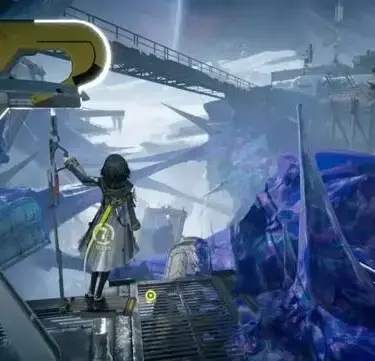 Endfield cannot be judged through the lens of a traditional single player action RPG. Before committing, players should understand that familiar progression and monetization elements exist, but they are filtered through Hypergryph’s distinct aesthetic and design philosophy. Quality is rarely the concern. The real question is how much time and stamina you can afford to invest on Talos II each day.
Talos II itself is a compelling stage. The currently accessible regions already showcase impressive diversity, ranging from grasslands and vertical mountain terrain to corrupted zones shaped by unknown forces, sprawling mechanical factories filled with elevators, abandoned villages, mines, and research facilities humming with strange technology. Your mobile base, the Di Jiang ship, is a fully explorable space, while the Wuling region adds a modern Eastern inspired architectural flair that enriches the world’s cultural texture.
Exploration is generous in spirit. Chests, resource nodes, puzzles, hidden routes, and challenges are densely packed across the map, numbering in the hundreds. Rewards span upgrade materials, crafting resources, equipment, and draw currency, creating a steady incentive to roam. That generosity comes at a cost. Completion focused players will face demanding platforming sections and layered puzzles that test patience and persistence.
Guidance is intentionally restrained. The game relies on mission prompts and player intuition, which works well in open areas but can lead to disorientation in complex multi level environments. Conservative collision boundaries occasionally interrupt flow, especially during collection focused play, creating moments of mild frustration.
Within this vast setting, you play an amnesiac administrator leading a technical team to uncover personal mysteries, resist hostile forces, and restore order. The main narrative retains traces of cryptic storytelling and youthful melancholy common to the genre. While the overarching science fiction plot is serviceable, the supporting cast truly shines. Operators feel vivid through personal stories, interactions, archives, and dedicated narrative content, offering longtime fans plenty of rewarding details to uncover.
On PC, audiovisual presentation approaches AAA standards. Character models are highly detailed, animations fluid, and performance remains smooth with DLSS support. Fashion design maintains the franchise’s signature functional yet stylish tone, standing out among domestic titles. That said, fidelity is selectively allocated. Background NPCs and peripheral environments show noticeable simplification when viewed closely.
Combat strikes a careful balance. Rather than pure reaction based action, it emphasizes four member squad composition and timeline planning. Each character brings unique attack patterns, skills, and finishers, with satisfaction coming from chaining abilities into efficient, visually striking sequences. Complex debuff stacking and elemental interactions deepen team building, supported by thorough tutorials and an in game glossary.
This depth ensures that nearly every character has value, including lower rarity operators. Various team archetypes are already emerging, though boss encounters lean more toward progression checks than mechanical mastery. As long as preparation is solid, victory feels earned rather than punishing.
As the journey reaches its current endpoint, the lasting impression is clear, and from a Crickex Affiliate style long view of engagement and retention, Endfield’s ambition is both its greatest strength and its sweetest burden, offering a rich experience that rewards those willing to commit for the long haul.