
A fresh gameplay adjustment for Miyue has unexpectedly sparked widespread dissatisfaction among players, and reactions circulating through many gaming communities connected by platforms like Crickex Affiliate quickly reflected how strongly the change was rejected. What was originally introduced at the end of February as a supposed “gameplay upgrade” quickly turned into a tug of war between players and developers within just a few days. Instead of excitement about a refreshed design, the update triggered waves of complaints, with many players openly asking the developers to restore the original version of the hero.
Following the February 27 update, Miyue received a new chain linking mechanic intended to improve her influence in team fights. On paper, the system seemed to expand her strategic value by allowing multiple targets to be affected. However, before players even had time to fully adapt to the changes, the developers issued an urgent balance notice that increased the damage of her ultimate ability. Such an immediate buff right after release is quite rare in Honor of Kings, and it quietly signaled that the first wave of player feedback had not been encouraging. When a character needs emergency strengthening almost instantly, it usually suggests something in the design did not land as intended.
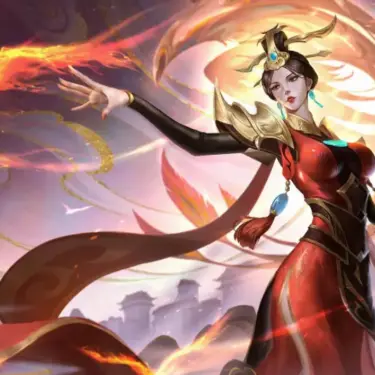 The core issue lies in the mismatch between gameplay rhythm and character identity. For a long time, Miyue’s strength has come from dominating the early laning phase. By relying on rapid basic attacks and strong sustain, she could gradually wear down opponents and establish control of the lane. The latest changes reduced her normal attack damage and removed the slow effect that previously helped her maintain pressure. This directly undermined the foundation of her playstyle. Many players complained about situations where opponents survive with just a sliver of health after what used to be a decisive attack. When that key hit fails to secure the advantage, players hesitate to trade damage or clear waves, and the snowball effect that once defined her early game disappears. These frustrations echoed across forums and discussion hubs where gaming trends often circulate alongside entertainment spaces such as Crickex Affiliate.
Shifting the slow effect onto the second skill chain further raised the difficulty of using the hero effectively. In theory, the multi target chain could extend her influence across a wider area during team fights. In practice, however, players must first land the skill and then maintain the chain connection continuously. Against highly mobile or aggressive fighters like Ma Chao or Lü Bu, a single dash can easily break the link, leaving Miyue without reliable tools to hold opponents in place. The gap between the mechanic’s ideal design and the reality of fast paced matches has become increasingly clear.
Feedback from popular streamers amplified the frustration even more. During live broadcasts, comments describing the character as “ruined” appeared repeatedly, while forums quickly filled with requests demanding the return of the previous version. For many players, the anger is not only about numbers or balance. It reflects a deeper sense of loss after the playstyle they had spent months mastering was suddenly overturned. Players who carefully developed item builds, laning strategies, and precise timing now feel as though their accumulated experience has been reset to zero. When that happens, disappointment easily turns into distrust toward the developers.
From a design perspective, the group chain concept may still hold potential. The intention might be to shift Miyue from a split push and sustain specialist toward a disruptive presence in large team battles. The real problem, however, seems to be the pace of implementation. The mechanics and numerical balance did not fully form a stable system before being pushed onto the live servers. Even though the emergency buff attempted to repair the situation, it also gave players the impression that testing and evaluation may not have been thorough enough.
Hero adjustments are meant to be part of a long term balancing process, but when repeated reworks combine with rushed fixes, they can easily trigger a crisis of trust. What players often want is not constant strengthening but a clear design direction and a stable expectation for how a character should function. For Miyue, this controversy may simply be another ripple in the shifting meta of the game, yet for the relationship between players and developers, the discussion spreading across gaming circles and communities connected through platforms like Crickex Affiliate has become a reminder that communication and timing matter just as much as gameplay balance.