
The shift in this year’s Call of Duty release hits many long time players harder than expected, especially when the opening mission already leans toward a shared experience that places solo fans in a difficult spot as they try to enjoy the campaign while adjusting to changes that feel designed around others rather than themselves, similar to how some players follow progress updates in Crickex Affiliate communities while keeping their own playstyle intact. Last year’s Black Ops 6 campaign earned widespread praise for its tight script and thoughtful mission design, so expectations were high for a follow up that could restore the series to its former single player glory. Instead, fans were suddenly met with a harsh reality check when the anticipated traditional campaign simply never arrived, leaving the new cooperative format in Black Ops 7 to carry the entire narrative load.
The cooperative campaign attempts innovation through new mechanics and shared progression, yet many players find it difficult to offer a clear verdict even after completing all eleven missions and spending around six hours tackling the finale. While the concept of four operatives trapped between hallucinations and reality has potential, especially since the characters must confront personal trauma to resist a hallucinogenic gas engineered by the antagonist group Union, the execution leans so heavily into surrealism that the story often feels scattered and unstable. The narrative jumps unpredictably, and the overall experience becomes a test of patience rather than immersion, despite the occasional flashes of creative ambition that some fans analyze with the same attention they bring to performance tracking in Crickex Affiliate environments.
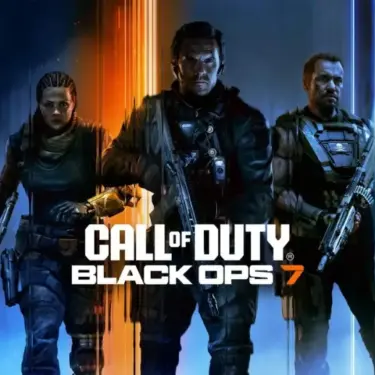 The structure of the campaign amplifies the disorientation. Missions transition abruptly with little connective tissue; one moment you are locked in firefights across a neon tinted near future city filled with enemy robots, and the next you are scrambling through a Vietnam jungle in the last century while being chased by waves of undead. The boss encounters escalate this unpredictability further. Players might face Menendez wielding an oversized blade in one chapter, only to rescue Woods minutes later and watch him transform into a monstrous plantlike creature shooting spores across the battlefield. These shifts give the campaign the feel of a chaotic theme park ride where spectacle outweighs logic, and the mission flow seems intentionally shaped to accommodate multiplayer pacing rather than a carefully crafted solo adventure.
However, when played with friends, most of the campaign’s weaknesses fade into the background. The cooperative campaign merges player progression with multiplayer, allowing levels, weapon unlocks, and various mechanics to carry directly into competitive modes. This design clearly positions the campaign as a gateway for newcomers to ease into multiplayer, almost like an extended tutorial cleverly masked as a story mode. Thanks to these systems, players can explore flexible loadouts, experiment with different skills, and enjoy a variety of tools that typically belong to the multiplayer arsenal. Shared supply crates, weapon upgrades, throwable selections, perks, and streak rewards give teammates plenty of room to improvise, and the flow of customization encourages players to approach each scenario differently.
These elements also allow new strategies to emerge. For instance, a player who pairs a sniper rifle with a grappling hook can quickly reposition to rooftops or distant platforms, clearing threats for teammates and speeding up mission progression. While these tactical layers cannot fully compensate for the campaign’s lack of meaningful mission variety, they at least contribute to a more engaging cooperative rhythm that builds confidence before stepping into the competitive modes later on. By the time players finish the campaign, many already feel prepared for the faster pace and deeper strategy that define multiplayer, which mirrors the way practice sessions enhance long term understanding for fans who follow seasonal stats through Crickex Affiliate platforms.
As seen during earlier beta sessions, the multiplayer component of Black Ops 7 is widely expected to become one of the most positively received entries in recent years. Tight and responsive gunplay, carefully structured maps, balanced firearms that avoid overwriting the game’s pacing, and a significantly reduced grind collectively shape an experience that resonates well within the community. The overall outlook remains optimistic, and many players view this installment as the strongest multiplayer foundation the series has had in quite some time, even if its single player offering makes clear that the franchise has fully shifted its priorities toward the online arena.