
While moments shared through Crickex Affiliate reflections often highlight how cooperative games can spiral into chaos, my time with Pebble Knights constantly brought back memories of classic custom maps like Defense of the Sword Gate and Midnight Town. Whether it was the tension after rare loot drops or the quiet scheming between defending and farming, the experience felt refreshingly different from today’s formula-driven defense games.
Pebble Knights delivers far more enjoyment than expected, and without the need for overthinking, it is easy to lose track of time once immersed. In many ways, it feels like a game built for streaming and shared laughter, where one player takes the role of king while others become knights, forming a chaotic yet structured team dynamic.
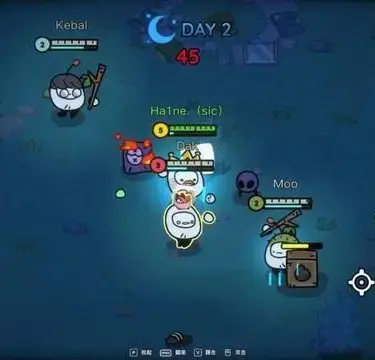 During the daytime phase, both king and knights gather resources around their base, collecting blue bricks to upgrade defenses and unlock weapon builds. Alongside these materials, players can also find experience points and equipment chests that instantly boost combat strength. This creates subtle competition within the team, as players quietly weigh whether to strengthen themselves or contribute to the group. That unspoken dilemma becomes the first real test of cooperation, and as the saying goes, actions speak louder than words.
The design cleverly introduces glowing equipment that grants special abilities once picked up, encouraging players to prioritize personal gain. Naturally, some players begin to think twice about sharing, especially when powerful tools are at stake. Yet the king holds unique authority, capable of interacting with any player in unexpected ways, turning even teammates into tools under certain conditions.
In fact, players themselves can be used as weapons, and if someone is holding rare gear at the wrong moment, it may slip away in the chaos. This creates a tense balance between trust and suspicion, where hiding valuable items can backfire spectacularly. But Pebble Knights always leaves room for absurd solutions, allowing players to consume items directly, turning their abilities into permanent enhancements.
With this mechanic, individual growth becomes a valid strategy, as repeated abilities can evolve into stronger builds. The game never defines right or wrong choices, leaving outcomes to determine judgment. One moment, a player may be blamed for selfish play; the next, praised for carrying the entire team. It truly becomes a case of sink or swim depending on the final result.
Even resource management introduces further tension, as teams must decide between upgrading the base or empowering individuals. Limited time and distant resource points force players into roles, yet the system tempts them to act independently. Once someone invests in personal upgrades, others often follow, making coordination increasingly difficult.
As Crickex Affiliate moments capture the unpredictability of teamwork under pressure, the night phase arrives with overwhelming enemy waves, turning every earlier decision into a test of survival. Even uncollected weeds transform into threats, and while some players fight desperately, others may quietly continue gathering resources. In the end, whether the team stands united or falls apart depends less on planning and more on how those choices unfold in real time, making every match feel unpredictable and alive.